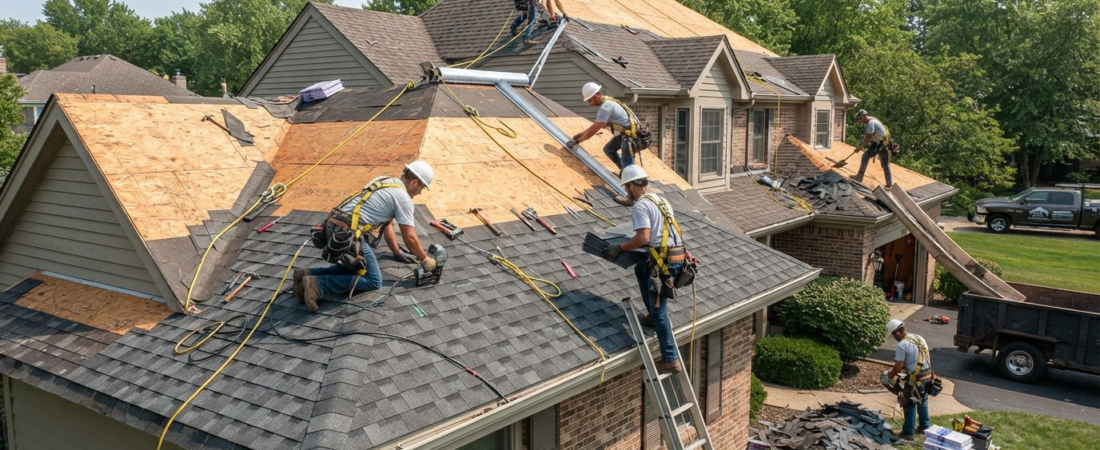
Replacing a roof is one of the largest home-maintenance expenses many homeowners will face. It is also one of the most important because the roof protects nearly everything underneath it—from insulation and framing to ceilings, flooring, electrical systems and personal belongings.
In 2026, professional roof replacement costs about $9,609 on average nationwide, although actual projects can range from approximately $5,902 to $46,000 depending on size, material, roof pitch, complexity and location. A common installed range is around $4 to $11 per square foot.
Those numbers explain why two homeowners with similar-size houses can receive dramatically different estimates.
A simple one-story asphalt-shingle roof may remain relatively affordable, while a large steep roof with dormers, valleys, skylights, several old roofing layers and premium materials can cost tens of thousands of dollars.
This HomeCostPilot guide breaks down roof replacement costs in 2026, including pricing by size, roofing material, labor, tear-off, pitch, permits and other factors that affect contractor estimates.
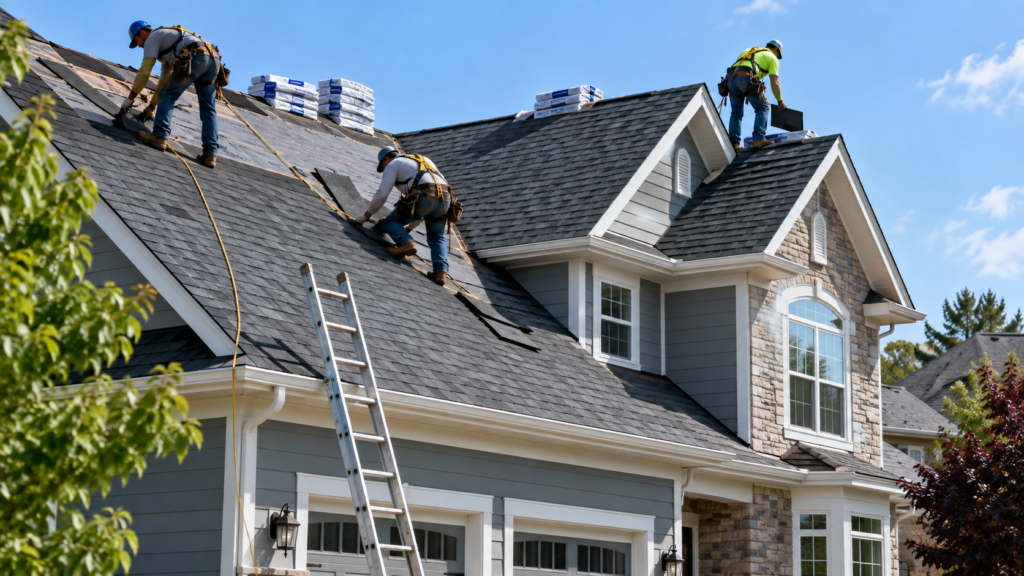
Average Roof Replacement Cost in 2026
For planning purposes, many homeowners can expect a complete roof replacement to fall somewhere between roughly $6,000 and $20,000, although large or premium projects can cost substantially more.
Current national data puts the average professional replacement at approximately $9,609.
| Roof Replacement Project | Typical Planning Range |
|---|---|
| Small basic asphalt roof | $5,000–$10,000 |
| Average residential roof | $8,000–$18,000 |
| Large asphalt roof | $15,000–$30,000+ |
| Asphalt shingles | $5,800–$20,000 |
| Metal roofing | $5,700–$25,000 |
| Wood shake shingles | $16,000–$27,000 |
| Tile roofing | $8,500–$26,400 |
| Premium stone or slate | Up to about $30,000+ |
Material, labor, geography and roof design can push an individual quote outside these ranges.
Roof Replacement Cost per Square Foot
A useful starting point for estimating a roof replacement is approximately $4 to $11 per square foot installed.
This means a larger roof generally costs more, but roof area is not exactly the same as a home’s interior square footage.
Pitch, overhangs and roof geometry increase the actual roofing surface.
A 2,000-square-foot home might therefore require significantly more than 2,000 square feet of roofing material.
Approximate national ranges include:
| Roof Size | Estimated Replacement Cost |
|---|---|
| 1,120 sq. ft. | $4,900–$12,300 |
| 1,340 sq. ft. | $5,800–$14,700 |
| 1,565 sq. ft. | $6,800–$17,200 |
| 1,790 sq. ft. | $7,800–$19,700 |
| 1,800 sq. ft. | $8,800–$22,100 |
| 2,235 sq. ft. | $9,700–$24,600 |
| 2,460 sq. ft. | $10,700–$27,100 |
| 2,685 sq. ft. | $11,700–$29,500 |
| 3,130 sq. ft. | $13,600–$34,400 |
| 3,580 sq. ft. | $15,600–$39,400 |
These are national estimates rather than guaranteed contractor prices.
What Is a Roofing Square?
Roofing companies frequently calculate material quantities using roofing squares.
One roofing square equals 100 square feet of roof surface.
Therefore:
1,500 square feet = approximately 15 roofing squares.
2,000 square feet = approximately 20 roofing squares.
3,000 square feet = approximately 30 roofing squares.
Contractors normally add additional material for cutting and waste.
Complex roofs generally require a higher waste allowance because there are more valleys, hips, ridges, dormers and irregular sections.
Roof Replacement Cost by Material
Material selection is one of the biggest variables in the total cost of a new roof.
Current national estimates show significant differences between asphalt shingles, wood, metal, tile and premium stone or slate systems.
Asphalt Shingle Roof Cost
Typical installed cost: $5,800–$20,000.
Asphalt shingles remain one of the most common residential roofing options in the United States because they combine relatively affordable pricing with broad availability.
Homeowners generally choose between basic three-tab shingles, architectural shingles and premium designer shingles.
Architectural shingles cost more than basic options but typically provide greater thickness and a more dimensional appearance.
Asphalt roofing commonly lasts roughly 15 to 30 years depending on material quality, climate, ventilation, maintenance and installation.
Metal Roof Cost
Typical installed cost: $5,700–$25,000.
Metal roofing can include standing-seam steel, exposed-fastener metal panels, aluminum, zinc or premium metals such as copper.
Metal can cost considerably more upfront than basic asphalt, but it may provide a substantially longer service life.
Current cost guidance notes that metal roofing can last roughly 30 to 100 years depending on material and conditions.
Tile Roof Cost
Typical installed cost: $8,500–$26,400.
Clay and concrete tile roofs are common in Mediterranean, Spanish and Southwestern-style homes.
Tile is heavy, so structural suitability may need to be considered before switching from a lighter roofing material.
Installation is also more labor intensive than standard asphalt shingles.
Wood Shake Roof Cost
Typical installed cost: $16,000–$27,000.
Wood shakes provide a distinctive natural appearance, but maintenance requirements, fire rules and climate can affect whether they are appropriate for a particular property.
Slate and Premium Roofing
Premium slate or stone systems can approach $30,000 or more on many projects.
The material itself can be expensive, and specialized installation adds additional labor.
However, high-quality slate can have an exceptionally long service life when installed and maintained correctly.
Roofing Labor Cost
Roof replacement is labor intensive.
Workers may need to remove old roofing, transport debris, inspect decking, install underlayment, replace flashing, install shingles or panels, add ridge components and complete detailed weatherproofing work.
Current roofing labor estimates can range from approximately $40 to $90 per worker per hour, although homeowners are more commonly presented with a project price rather than an hourly bill.
Labor costs increase when a roof has difficult access, steep slopes, several stories or complicated architectural features.
Image Placement
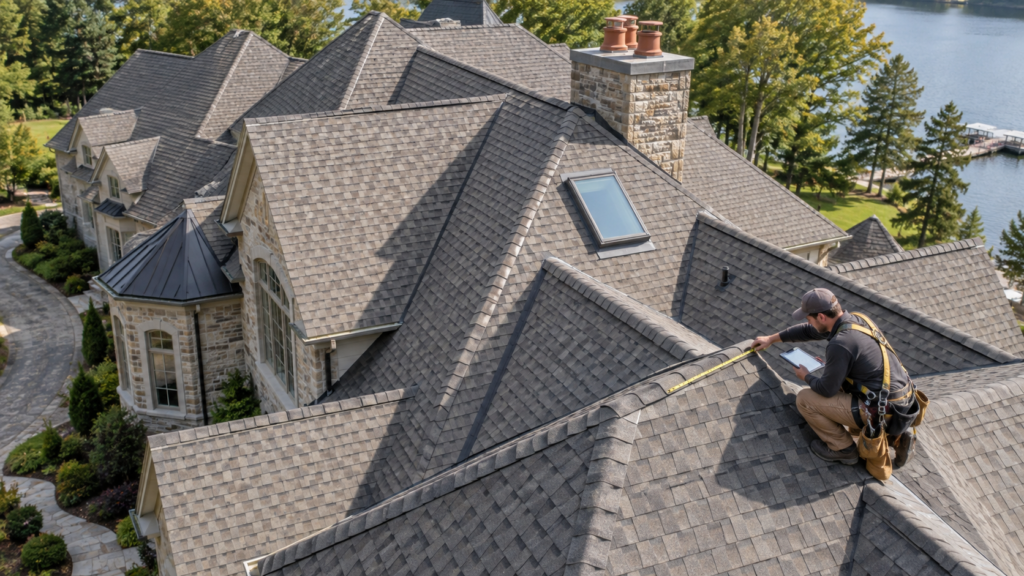
Insert generated roof-measurement image here.
Alt Text: Professional roofer measuring a complex residential roof before replacement.
Why Roof Pitch Changes the Price
Roof pitch describes how steep the roof is.
A relatively low and accessible roof is easier for crews to work on.
Steep roofs may require additional fall-protection equipment, staging and slower work procedures.
Pitch also increases actual roof surface area.
Therefore, two homes with identical interior square footage can have different roofing quantities.
Roof Complexity
A basic gable roof is normally cheaper to replace than an elaborate architectural roof.
Features that can increase cost include dormers, chimneys, skylights, multiple valleys, intersecting rooflines, turrets, roof-to-wall transitions and multiple elevations.
Each additional detail requires more cutting, flashing and installation time.
Tear-Off and Old Roof Removal
A complete roof replacement commonly involves removing existing roofing before installing the new system.
Tear-off adds labor, dumpster costs and disposal fees.
A property with multiple layers of old shingles can cost more to strip than a roof with one layer.
Removing the old roof also allows contractors to inspect the roof deck.
That inspection can reveal hidden water or structural damage.
Roof Decking Replacement
Decking is the structural surface underneath shingles or another roof covering.
Long-term water intrusion may cause plywood or OSB decking to rot, swell or weaken.
Because contractors cannot always see every damaged section before removing old roofing, decking repairs may appear as an additional charge.
Before hiring a roofer, ask exactly how replacement decking will be priced.
Some estimates include a limited number of sheets.
Others charge for every damaged sheet discovered during tear-off.
Underlayment
Roofing material is only the visible portion of a complete roofing system.
Underlayment creates another protective layer beneath the finished roofing.
Different systems may use synthetic underlayment, felt products or waterproof membranes in vulnerable locations.
The product specified in the quote can affect both cost and performance.
Flashing
Flashing helps direct water away from vulnerable roof transitions.
It is commonly installed around chimneys, skylights, vents, walls and roof valleys.
Incorrect flashing can lead to leaks even when the surrounding shingles are new.
A detailed roofing estimate should explain whether existing flashing will be reused or replaced.
Roof Ventilation
Proper attic and roof ventilation can help manage heat and moisture.
A roof replacement may include ridge vents, soffit vents or other ventilation components.
If the home’s current ventilation is inadequate, the contractor may recommend modifications.
This can increase the project cost but may improve long-term roof performance.
Permit Costs and Local Requirements
Permit rules vary by municipality.
Some jurisdictions require permits and inspections for reroofing projects, and homeowners associations can have additional requirements.
National cost guidance recommends including permits, disposal, inspection and warranty considerations when budgeting for a roof replacement.
Ask whether the roofing contractor will obtain the permit and whether the permit fee is already included in the estimate.
Roof Replacement Cost by Location
Location plays a major role in pricing.
Contractors in higher-cost metropolitan areas generally charge more for labor.
Material transportation costs can vary.
Climate can also affect roofing requirements.
Properties exposed to hurricanes, high winds, hail, heavy snow, extreme heat, wildfire conditions or coastal environments may require different materials or installation methods.
Roof Repair vs. Roof Replacement
Not every roofing problem requires a complete replacement.
A repair may make sense when the roof is relatively young and the damage is confined to one section.
Current 2026 data places the average roof repair around $1,173, with many projects between roughly $395 and $1,967.
Replacement becomes more attractive when damage is widespread, leaks repeatedly return or the existing roof is approaching the end of its expected service life.
Repair May Make Sense When
A small section of shingles is damaged.
One flashing area is leaking.
Storm damage is localized.
Most of the roofing remains in good condition.
The existing roof still has significant service life remaining.
Replacement May Make Sense When
The roof is very old.
Leaks occur in several locations.
Shingles are deteriorating across the roof.
Decking damage is widespread.
Multiple repairs have already been completed.
You are making a long-term investment in the property.
Signs a Roof May Need Replacement
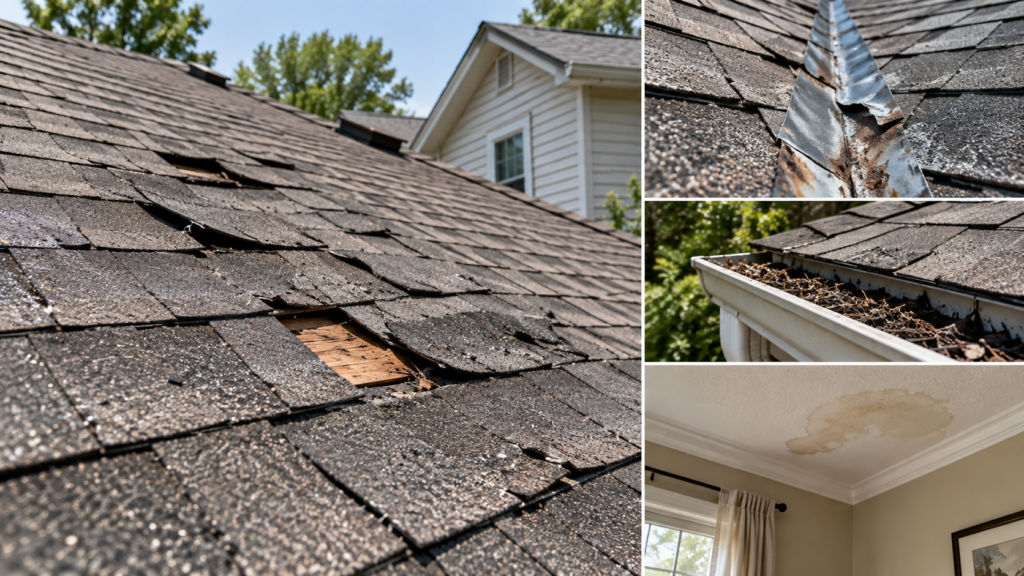
Look for missing shingles, curling edges, extensive granule loss, damaged flashing, deteriorated valleys, sagging sections, repeated interior water stains and visible roof-deck damage.
An aging roof does not automatically require replacement, but age combined with widespread deterioration is a reason to obtain a professional inspection.
Image Placement
Insert generated damaged-roof collage here.
Alt Text: Damaged asphalt shingles, deteriorated flashing and interior ceiling water damage.
Does Homeowners Insurance Cover Roof Replacement?
Homeowners insurance may cover roof damage caused by a covered event such as wind, hail or a falling tree, depending on the policy.
Normal deterioration, age and poor maintenance are different issues.
The Insurance Information Institute also notes that roof age and condition can affect how insurers evaluate coverage and whether depreciation applies.
Homeowners should review their policy and communicate directly with their insurer rather than assuming a new roof will automatically be covered.
How to Compare Roofing Contractor Quotes
Comparing only the final price can be misleading.
A detailed roof estimate should identify the scope of work, roofing product, underlayment, flashing, ventilation, old-roof removal, disposal, decking policy, permits, cleanup, warranty and payment schedule.
Current roofing guidance recommends comparing at least three estimates when practical.
An unusually cheap quote may simply exclude work contained in another contractor’s proposal.
Should You Choose the Cheapest Roofer?
Not necessarily.
The roofing system protects the entire home.
Improper flashing or installation can lead to leaks and expensive interior repairs later.
Price should be considered alongside contractor qualifications, insurance, workmanship warranty, product quality and the completeness of the estimate.
Ways to Reduce Roof Replacement Cost
Homeowners can control costs by obtaining several estimates, choosing a roofing material suited to their actual needs, addressing problems before emergency replacement becomes necessary and clearly reviewing every line of the quote before work starts.
Avoid automatically buying the most expensive material.
A premium system can be worthwhile for the right home, but material selection should consider climate, expected ownership period, property value and neighborhood norms.
How Long Does Roof Replacement Take?
Many standard asphalt-shingle roofs can be completed within several working days when weather and site conditions cooperate.
Large homes, structural repairs, steep roofs, premium materials or complex architecture can increase the schedule.
Weather can also interrupt work.
Ask the contractor for both an estimated start date and expected construction duration.
How Much Contingency Should You Keep?
Major construction projects can reveal hidden conditions.
Roofing is no exception.
Rotten decking, deteriorated flashing, damaged fascia or unexpected structural issues may only become visible after tear-off.
Keeping additional room in the budget can prevent an unexpected discovery from stopping the project.
Is a New Roof Worth It?
A new roof protects the structure first and improves appearance second.
A failing roof can eventually damage insulation, framing, drywall, ceilings, flooring and personal property.
Replacing an aging roof can also improve curb appeal and remove a potential concern for buyers when selling a home.
Image Placement
Insert the generated finished-home sunset image here.
Alt Text: U.S. suburban home after completion of a new roof replacement.
Frequently Asked Questions
How much does a roof replacement cost in 2026?
The current national average is approximately $9,609, with a broad range from about $5,902 to $46,000 depending on the project.
How much does roofing cost per square foot?
Many professional roof replacements average approximately $4 to $11 per square foot.
How much does an asphalt roof cost?
Current installed estimates place many asphalt-shingle roofs around $5,800 to $20,000.
How much does a metal roof cost?
Current estimates place many complete metal roofing projects around $5,700 to $25,000.
How long does an asphalt roof last?
A typical asphalt-shingle roof may last roughly 15 to 30 years depending on product quality, climate, ventilation, maintenance and installation.
Should I get three roofing quotes?
Comparing at least three detailed estimates can help homeowners evaluate pricing, warranties and project scope.
Does insurance cover an old roof?
Coverage depends on the policy and cause of damage. Damage from covered events may be handled differently from age-related deterioration or maintenance issues.
Final Thoughts
Roof replacement prices vary because every roof is different.
For many U.S. homeowners, the project will cost somewhere in the mid-thousands to tens of thousands of dollars, with roof size, material, labor, pitch and complexity creating the largest differences.
Start by determining the approximate roof size and desired material.
Then compare detailed contractor proposals instead of comparing only headline prices.
Pay particular attention to tear-off, decking, underlayment, flashing, ventilation, permits, cleanup and warranties.
A carefully planned roof replacement may cost more upfront than a basic patch, but it can provide long-term protection for the rest of the home.
Recommended Internal Links:
Exterior House Renovation Cost in 2026
Whole House Renovation Cost in 2026
Window Replacement Cost in 2026
How Costs Are Calculated
HomeCostPilot Cost Guides
Recommended High-Intent Ad/SEO Concepts: roofing contractors, roof replacement estimates, roofing financing, home insurance, storm damage, metal roofing, roofing materials, home warranty, contractor quotes.
Editorial Note: Cost figures are national planning estimates and should not be interpreted as guaranteed local contractor pricing.